
Common Skin Conditions: Causes, Symptoms, and Skincare Tips for Healthy Skin

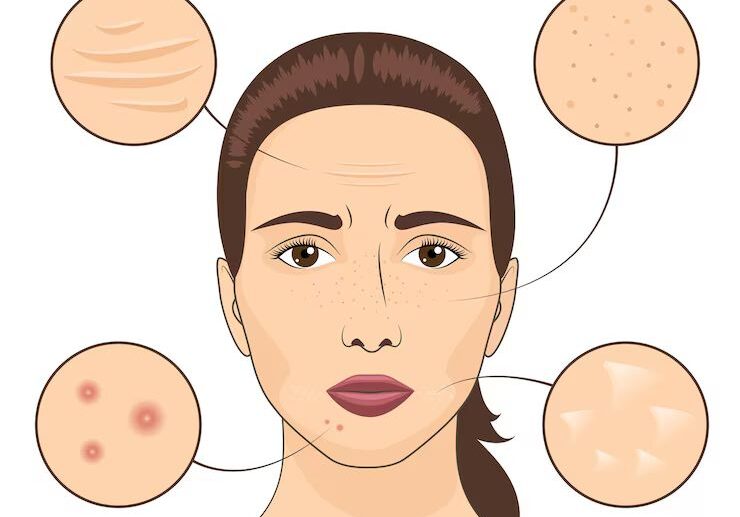
Common skin conditions affect people of all ages, skin tones, and skin types, often causing discomfort, irritation, and a loss of confidence.
From acne and dryness to more persistent concerns like eczema and pigmentation, skin problems can appear for many reasons, including lifestyle habits, environmental factors, and underlying health issues. Understanding these conditions early helps you choose the right skincare approach, prevent flare-ups, and maintain healthy, balanced skin over time.
In this blog, we’ll explore some of the most common skin conditions, what causes them, how to recognize early symptoms, and which skincare habits can help manage or prevent them.
Acne
Acne is one of the most common skin conditions, especially among teenagers and young adults, though adult acne is increasingly common. It occurs when pores become clogged with oil, dead skin cells, and bacteria.
Early signs of acne include whiteheads, blackheads, pimples, painful cysts, and oily skin. Hormonal changes, stress, lack of sleep, high-glycemic foods, dairy intake, and using heavy or pore-clogging skincare products can trigger breakouts.
Managing acne requires gentle but consistent care. Cleansing twice daily with a mild face wash, using non-comedogenic products, moisturizing even oily skin, and wearing sunscreen are essential habits. Natural remedies like aloe vera or tea tree oil may help mild acne, while dermatologist-recommended treatments such as salicylic acid, benzoyl peroxide, or retinoids are often more effective for persistent breakouts.
If acne becomes severe, painful, or starts leaving scars, it’s important to consult a dermatologist for personalized treatment.

Eczema (Atopic Dermatitis)
Eczema is a chronic skin condition commonly seen in children but also affects many adults. It is linked to a weakened skin barrier and an overactive immune response.
People with eczema often experience dry, itchy, red, and inflamed patches of skin that may crack or ooze during flare-ups. Cold weather, harsh soaps, allergens, stress, and frequent washing can worsen symptoms.
The key to eczema care is protecting the skin barrier. Regular moisturizing with fragrance-free creams, taking short lukewarm showers, and avoiding known triggers can significantly reduce flare-ups. Natural options like oatmeal baths and coconut oil can soothe irritation, while medical treatments often include prescription creams to control inflammation.
Professional medical help should be sought if itching interferes with sleep or if flare-ups become frequent and severe.
Psoriasis
Psoriasis is an autoimmune skin condition that causes rapid skin cell buildup, leading to thick, scaly patches on the skin. It commonly affects the scalp, elbows, knees, and lower back.
Symptoms include red patches covered with silvery scales, itching, burning, and sometimes joint pain. Stress, cold climate, infections, smoking, and alcohol consumption are common triggers.
Daily moisturizing, gentle cleansing, and avoiding skin injuries can help manage mild psoriasis. Natural remedies such as aloe vera and salt baths may provide relief, but most cases require dermatologist-recommended treatments like medicated creams, phototherapy, or systemic medications.
Psoriasis always needs medical diagnosis and long-term management, so seeing a dermatologist is essential.
Rosacea
Rosacea mainly affects adults and is characterized by persistent facial redness, flushing, and visible blood vessels. Sensitive skin types are more prone to this condition.
Early symptoms include frequent blushing, warmth, stinging, and occasional acne-like bumps. Triggers often include spicy foods, hot drinks, sun exposure, alcohol, and emotional stress.
Managing rosacea involves using calming, fragrance-free skincare and wearing sunscreen daily. Ingredients like niacinamide and green tea extract can help reduce redness. Avoiding harsh exfoliants and overheating the skin is equally important. Dermatologists may prescribe topical or oral medications to control symptoms.
Early treatment can prevent rosacea from worsening over time.
Pigmentation and Dark Spots
Pigmentation issues such as dark spots, melasma, and uneven skin tone affect people of all skin types. These conditions often develop due to sun exposure, hormonal changes, acne scars, or inflammation.
Symptoms appear as brown or gray patches on the face or body. Sun exposure is the biggest trigger, making daily sunscreen non-negotiable. Brightening ingredients like vitamin C, niacinamide, and licorice extract can help fade spots over time.
Natural remedies may support skin health, but stubborn pigmentation often responds better to dermatologist-recommended treatments like chemical peels or prescription creams. If pigmentation spreads quickly or worsens, professional evaluation is advised.
Fungal Infections
Fungal infections are also common skin conditions, especially in hot and humid climates. They often affect skin folds, feet, scalps, and groin areas.
Itching, redness, scaling, and ring-shaped rashes are typical signs. Excess sweating, tight clothing, poor hygiene, and sharing personal items can trigger or spread infection.
Keeping the skin clean and dry is essential for prevention. Mild cases may respond to antifungal creams or natural remedies like tea tree oil, but recurring or spreading infections require medical treatment.
Dry and Sensitive Skin
Dry and sensitive skin can affect anyone, particularly during weather changes or due to overuse of harsh skincare products.
Common symptoms include tightness, flaking, redness, itching, and a burning sensation. Cold air, hot showers, frequent cleansing, and fragranced products can worsen sensitivity.
Using gentle cleansers, moisturizing immediately after washing, and choosing barrier-repair creams can greatly improve skin comfort. Natural ingredients like shea butter and hyaluronic acid help restore moisture. Persistent irritation should be evaluated by a dermatologist.
Final Thoughts
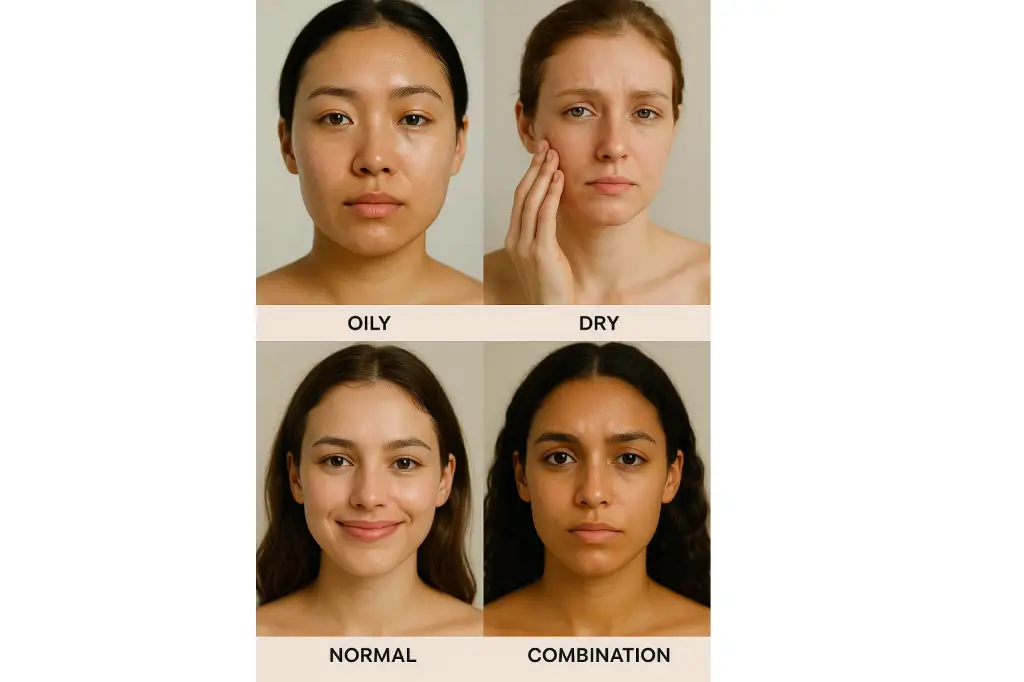
Every skin type is unique, and understanding your skin’s needs is the foundation of healthy skincare. While common skin conditions can be frustrating, most can be managed with patience, consistency, and gentle care.
Instead of chasing quick fixes, focus on building a simple routine tailored to your condition, avoiding triggers, and protecting your skin daily. When symptoms persist or worsen, seeking professional medical help can make a lasting difference.
Healthy skin is not about perfection—it’s about listening to your skin and caring for it the right way.